
The 1% tax rate for micro enterprises in Romania: a game changer for 2026
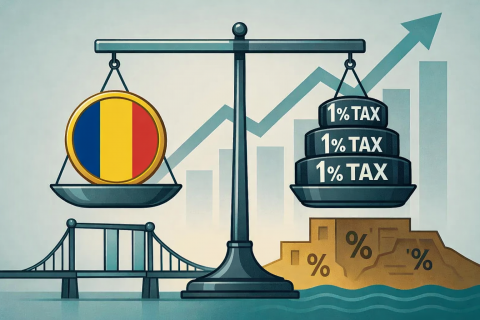
The landscape for small businesses in Romania is set to undergo a significant transformation in 2026 with the introduction of a new tax regime. This change, particularly the implementation of a 1% tax rate for micro enterprises, presents a unique opportunity for entrepreneurs looking to establish or expand their businesses in this vibrant market. This article delves into the implications of this new tax structure, the eligibility criteria, and the broader context of Romania's evolving business environment.
Understanding the 1% tax rate
The introduction of a 1% tax rate for micro enterprises marks a pivotal shift in Romania's taxation framework. This initiative aims to simplify the tax obligations for small businesses, making it one of the most competitive tax regimes within the European Union.
Key features of the 1% tax rate
- Uniform tax rate: Unlike the previous system that had varying rates based on business activities, the new regulation introduces a single tax rate applicable to all qualifying micro enterprises.
- Eligibility criteria: To benefit from this favorable tax rate, businesses must meet specific conditions, including a maximum annual revenue threshold and employment requirements.
- Effective date: The new tax structure will officially take effect on January 1, 2026, providing ample time for businesses to prepare for the transition.
Eligibility requirements for Micro Enterprises
To qualify for the 1% tax rate, businesses must adhere to certain criteria that ensure they genuinely operate as micro enterprises.
Revenue threshold
One of the most significant changes is the reduction of the revenue cap from €250,000 to €100,000 annually. This adjustment aims to target support towards the smallest businesses, ensuring that only those with limited revenue can benefit from the reduced tax rate.
Employment criteria
Another critical requirement is that micro enterprises must employ at least one full-time worker. This stipulation is designed to encourage job creation and ensure that businesses are actively contributing to the economy rather than existing solely on paper.
Implications of the new tax structure
The introduction of the 1% tax rate is expected to have far-reaching implications for the business landscape in Romania.
Financial benefits for entrepreneurs
- Cost savings: The reduced tax burden allows micro enterprises to retain more of their earnings, which can be reinvested into the business for growth and development.
- Simplified tax compliance: With a single tax rate, businesses can streamline their accounting processes, reducing the administrative burden associated with tax compliance.
Encouragement of entrepreneurship
The favorable tax environment is likely to stimulate entrepreneurial activity in Romania. By lowering the financial barriers to entry, more individuals may be encouraged to start their own businesses, contributing to economic growth and job creation.
Changes to existing tax regulations
The new tax regime will also bring about the elimination of the previous 3% tax rate for businesses without employees. This change is part of a broader effort to simplify the tax landscape for small enterprises.
Transition from the 3% tax rate
Previously, micro enterprises without employees faced a higher tax rate of 3%. The removal of this distinction means that all qualifying micro enterprises will now benefit from the same favorable tax conditions, provided they meet the employment requirement.
Impact on business planning
Businesses currently operating under the 3% tax rate will need to reassess their financial strategies in light of the new regulations. This includes evaluating their workforce needs and ensuring compliance with the new revenue thresholds.
Digital compliance and reporting obligations
As part of the tax reforms, Romania is also enhancing its digital compliance requirements, which will affect how micro enterprises manage their financial reporting.
Introduction of e-Factura system
Starting in 2026, all businesses will be required to submit invoices through the e-Factura system within five days of issuance. This digital approach aims to improve transparency and reduce tax evasion.
VAT Compliance changes
In addition to the e-Factura system, businesses will need to adapt to new VAT regulations that align with the digitalization of tax reporting. This shift will require micro enterprises to invest in technology and training to ensure compliance.
Strategic planning for 2026
With the impending changes to the tax landscape, it is crucial for micro enterprises to engage in strategic planning to navigate the new environment effectively.
Financial forecasting
Businesses should conduct thorough financial forecasts to assess how the new tax rate and compliance requirements will impact their bottom line. This includes evaluating potential savings from the reduced tax rate and planning for any costs associated with digital compliance.
Workforce management
Given the employment requirement for micro enterprises, businesses must consider their staffing needs carefully. This may involve hiring new employees or restructuring existing roles to ensure compliance with the new regulations.
The Role of professional advisors
As the tax landscape evolves, the expertise of financial and legal advisors will become increasingly valuable for micro enterprises.
Navigating compliance
Professional advisors can assist businesses in understanding the nuances of the new tax regulations, ensuring that they remain compliant while maximizing their tax benefits.
Strategic business development
In addition to compliance, advisors can provide insights into strategic business development, helping entrepreneurs identify growth opportunities within the new tax framework.
Conclusion: a new era for micro enterprises in Romania
The introduction of the 1% tax rate for micro enterprises in Romania represents a significant opportunity for small businesses to thrive in a competitive market. By understanding the eligibility requirements, implications of the new tax structure, and the importance of digital compliance, entrepreneurs can position themselves for success in 2026 and beyond.
As Romania continues to evolve its business environment, the focus on supporting micro enterprises will play a crucial role in fostering economic growth and innovation. Entrepreneurs are encouraged to stay informed and proactive in adapting to these changes, ensuring they can fully leverage the benefits of the new tax regime.
This article provides a comprehensive overview of the upcoming changes to Romania's tax structure for micro enterprises, emphasizing the importance of strategic planning and compliance in navigating this new landscape.
SOME INTERESTING LINKS:
My Vlog on Romania Website on investment in Romania
Quick guide on company incorporation in Romania 2025
Vlog for entrepreneurs in Romania – subscribe please YOUTUBE CHANNEL of Freddy Jacobs
Romania’s Fiscal Changes for 2026
Recruitment trends 2025 explained and evaluated
Salaries in Romania in the IT Sector for 2025
#Anaf #romania #investromania